
8th Biennial Conference of the European Rural History Organisation, 7-10 September 2027, Koper, Slovenia
Important Dates
Guidelines for Authors and Attendees
Frequently asked questions
We prepared a list of common questions regarding the proposal submission.
Submitting a panel
Researchers working on any aspect of the history of the countryside are invited to submit panel proposals. A panel should focus on a specific topic and include participants from at least two countries. Panel proposals will be assessed by the Conference Scientific Committee, which will accept or refuse them, or suggest modifications.
Panels may be organized in a single session or in double sessions. A panel session will last two hours (120 minutes) and include four papers; a maximum of five papers is possible. Double panels may not exceed eight papers in total. Panels will be led by a chair. In case the panel includes a discussant, it may not exceed four papers.
The presentation of new research and of work in progress is particularly relevant. Long-run perspectives and comparative approaches are particularly welcome. Proposals from all the regions and countries of Europe are invited.
A panel proposal may be presented by up to three scholars and should include a title, the full name and affiliation of the organiser(s), a short abstract (up to 500 words) introducing the discussed topic, the area and period it addresses, the approach, as well as the names and affiliations of at least two panel contributors.
Meet-the-author sessions are also planned as part of the conference programme, and we welcome your proposals. If you would like to submit your session proposal, please do so through the standard panel submission process. Please include “Meet-the-Author” in the panel title so that it can be reviewed accordingly. The deadline for panel proposals is extended until October 15th, 2026.
panel reviewing process
In selecting the proposals received, the organizers will take into consideration the relevance and originality of the themes, the persuasiveness of proposals and their compliance with the instructions (see Submitting a panel).
submitting a paper
This section is in development and coming soon.
registration process
Online registration will open in February 2027. This section is in development and coming soon.
FACILITES
The EURHO 2027 Conference is organized and hosted by the University of Primorska, Faculty of Humanities. Panels will be held across three distinct venues: the Faculty of Humanities, the Faculty of Management, and the Faculty of Mathematics, Natural Sciences and Information Technologies.
Nestled in the heart of Koper’s historic old town, all three faculties are within an easy 3-minute walk (200 meters) of each other, making it simple for attendees to stroll between sessions.
The conference facilities feature a main plenary room, dedicated meeting spaces, and a variety of large, medium, and small panel rooms. To ensure a smooth experience for presenters, every panel room comes fully equipped with a dedicated computer and video projector. High-speed broadband Wi-Fi is available across all locations, with full support for the EDUROAM network throughout the university buildings.
scholarships
No scholarships are foreseen, but students and PhD students may apply for an accommodation in the University of Primorska Student residences at a discounted rate.
INTERNATIONAL ORGANIZING COMMITTEE
Dulce Freire
Professor, University of Coimbra, Portugal
Enikő Rüsz-Fogarasi
Professor, Babeș-Bolyai University, Romania
Zsuzsanna Varga
Professor, Eötvös Loránd University of Budapest, Hungary
Ernst Langthaler
Professor, Johannes Kepler Universität, Austria
Aleksander Panjek
Professor, University of Primorska, Slovenia
Friederike Scholten
PhD, Freelancer, Germany
Gesine Gerhard
Professor, University of the Pacific, United States of America
Gérard Beaur
Professor, CNRS/EHESS, Paris, France
Karen Sayer
Professor, Leeds Trinity University, United Kingdom
Patrick Svensson
Professor, Swedish University of Agricultural Sciences, Sweden
Peter Moser
Director, Archives of Rural History, Switzerland
Luca Mocarelli
Professor, University of Milano Bicocca, Italy
Ewelina Szpak
Associate Professor, Tadeusz Manteuffel Institute of History, Polish Academy of Sciences, Poland
Elisa Botella Rodríguez
Professor, University of Salamanca, Spain
Volodymyr Kulikov
University College London, United Kingdom
communication with organiser
If you have any questions about the Rural History conference 2027, please send an email to our organizing team at ruralhistory2027@fhs.upr.si and we will get back to you as soon as possible.
Frequently Asked Questions
You can submit your paper during the Call for Papers. During the submission process, you will be able to review the list of accepted panels and choose the one that best aligns with your topic and research interests.
English is the official language of the conference. Thus, panel proposals and paper proposals, as well as oral presentations and the PowerPoint slides shall be prepared and delivered in English.
Yes, we do accept such proposals.
An individual can submit a maximum of two panel proposals.
An individual can submit a maximum of two papers.
The person proposing a panel also serves as its chair and may present a paper within the panel.
A panel should include participants from at least two countries, regardless of their role as Organiser, Chairs, Discussant and Paper Presenter.
Yes, you may propose a round table. When filling the online form, you just write the title of the discussion in the "panel title" box and add "round table" in brackets after the title.
Yes, you may propose a Meet-the-Author panel. When filling the online form, you just write the title of the book/discussion in the "panel title" box and add "Meet the Author" in brackets after the title.
Location
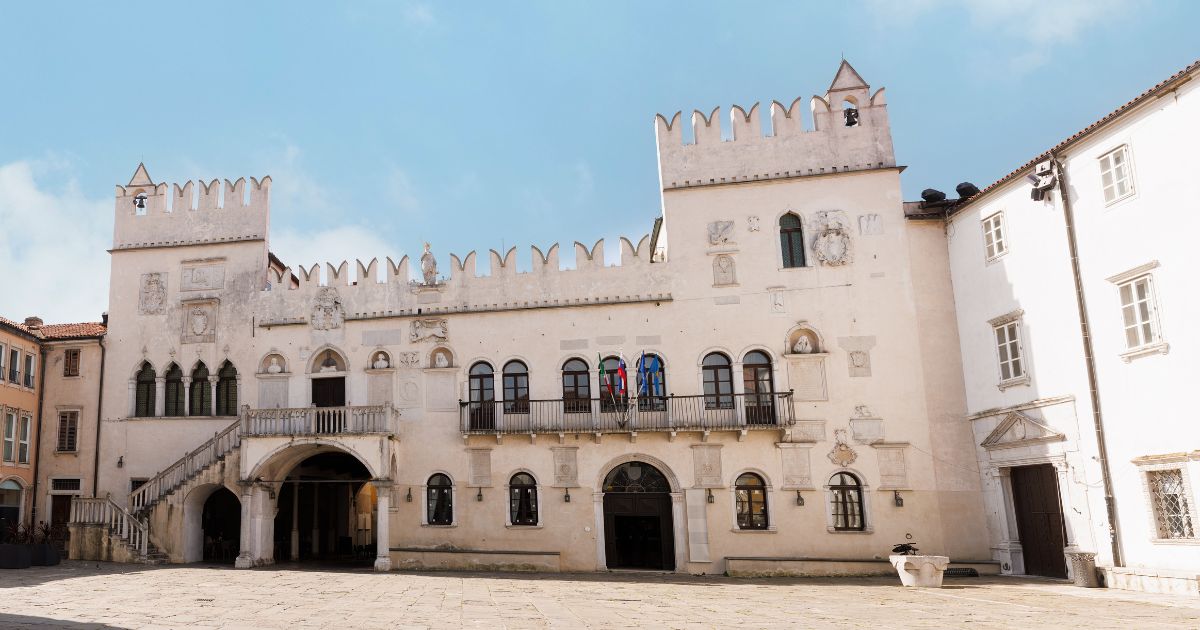
VENUE
KOPER-CAPODISTRIA, SLOVENIA
A picturesque coastal town in Northern Istria offering a charming blend of Venetian and Slovenian heritage, historic architecture, and scenic seaside vistas
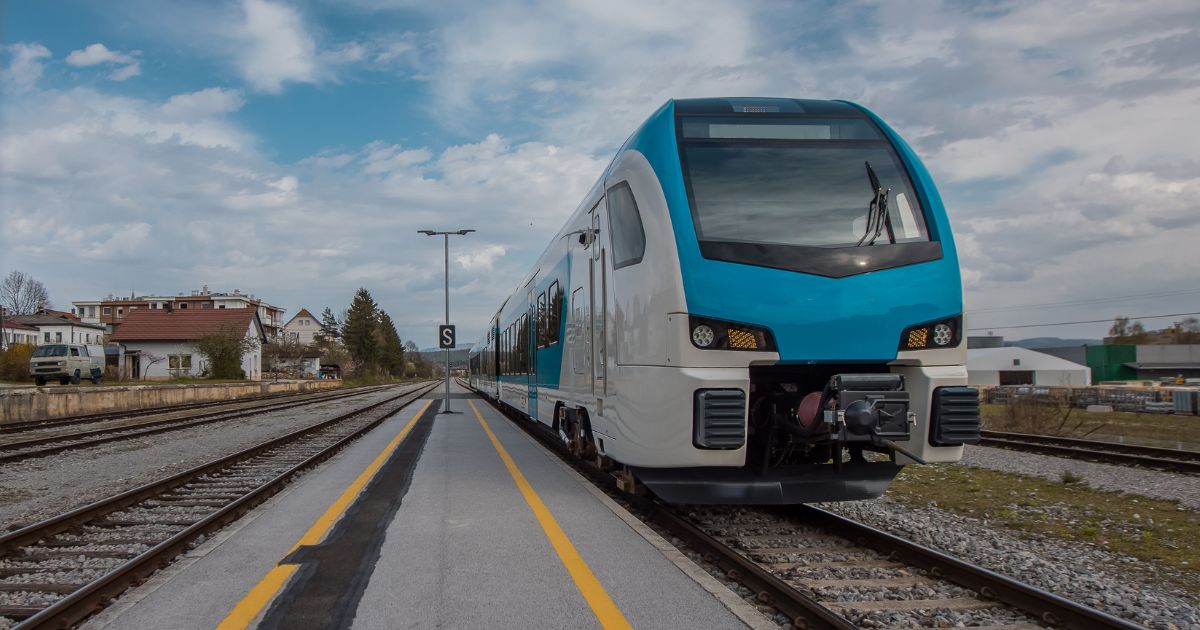
TRAVEL
WAYS TO GET TO US
Koper is well connected to neighbouring countries by highway and can be reached by regular bus and train services, as well as via nearby airports.
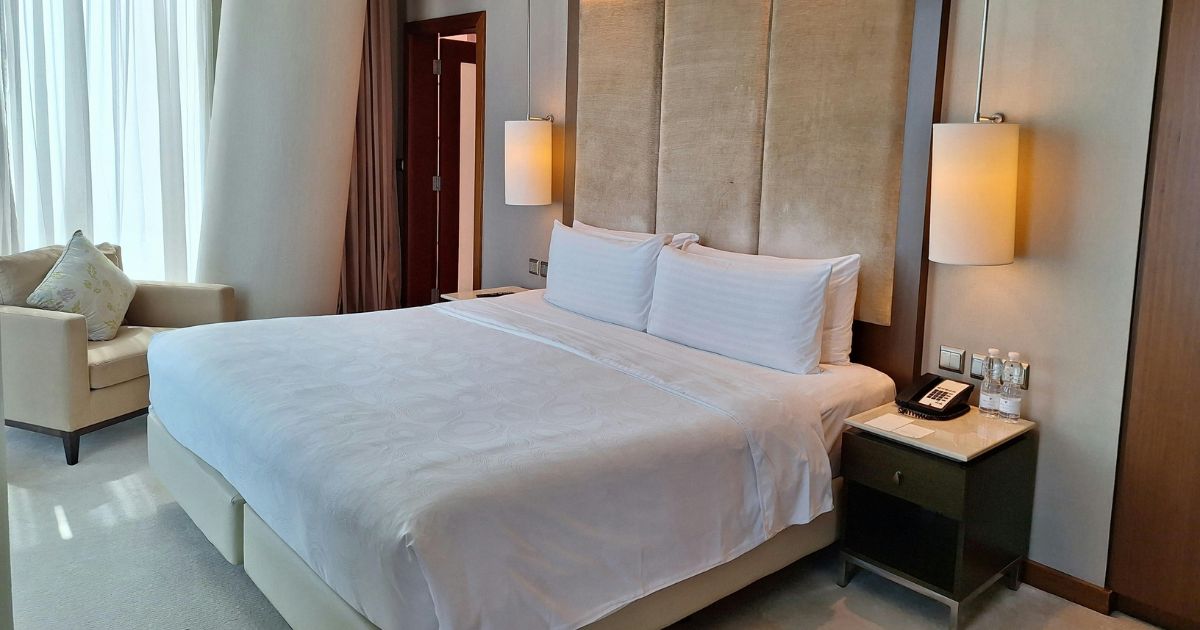
ACCOMODATION
WHERE TO STAY IN THE CITY
The city offers a range of accommodation within walking distance of the conference venue, with additional options nearby and in surrounding areas.
DESTINATIONS
EXPLORE THE REGION
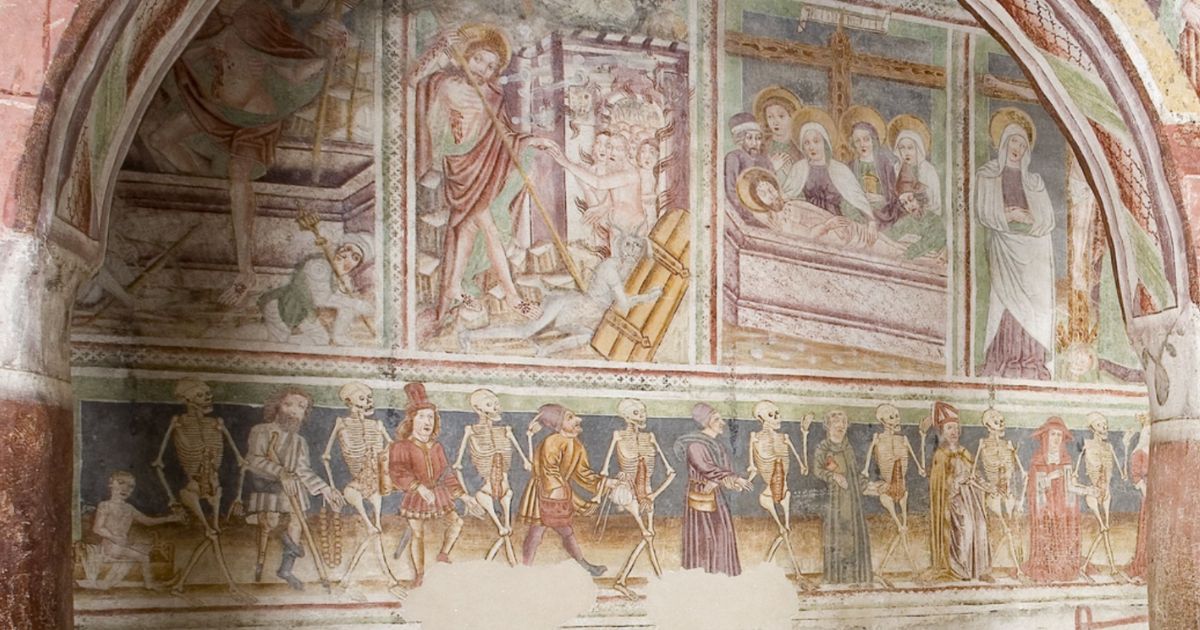
Slovenia’s diverse landscapes—from Alpine valleys to Mediterranean shores—offer unique opportunities for scholars working in the broad field of rural history.